


Nail Preparation & Care Guides
Cuticle Remover vs Gel Remover vs Dehydrator vs Primer: What to Use Before Gel Polish
Jul
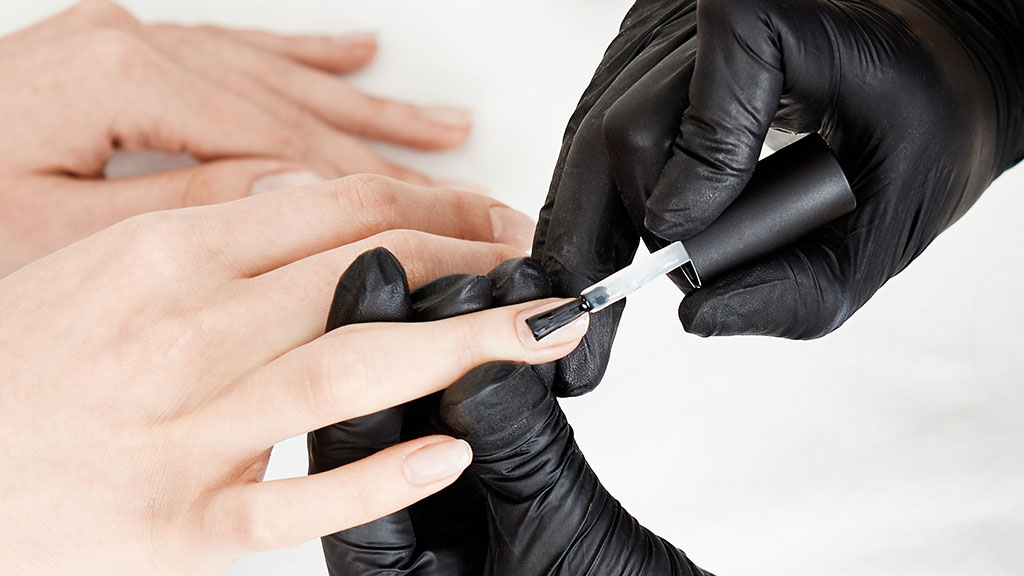
A long-lasting gel polish manicure does not start with colour. It starts with preparation. Before you apply base coat, gel polish and top coat, the natural nail plate needs to be shaped, cleaned, gently mattified, degreased and prepared for adhesion. This is where products such as cuticle remover, gel remover, cleaner, nail dehydrator and primer come in. They may look like small technical steps, but using them in the right order can make the difference between a manicure that lasts beautifully and one that lifts, chips or peels too soon.
This guide explains the difference between Claresa Cuticle Remover, Claresa Remover Pro, Claresa Cleaner Pro, Claresa Nail Prep Dehydrator and Claresa primers. It is written for people who want to understand what each product does, when to use it, what not to confuse it with and how to build a clean gel polish routine using only Claresa products and accessories.



Why nail prep matters before gel polish
Gel polish needs a clean, stable and properly prepared surface. If the natural nail plate is dusty, oily, damp, covered with invisible residue or surrounded by cuticle stuck to the nail, the base coat cannot grip evenly. The manicure may still look good immediately after application, but problems can appear after a few days: lifting near the cuticle, peeling at the free edge, air pockets, chipping, dullness or poor wear time.
Good nail prep is not about using as many products as possible. It is about using the right product for the right step. Cuticle remover is not the same as gel remover. Cleaner is not the same as dehydrator. Primer is not a substitute for cleaning the nail plate. Remover is not used to prepare a fresh natural nail before a new manicure. Each product has a specific role, and understanding those roles makes the whole routine easier.
In the Claresa range, the most important nail prep products are found in the ESSENTIALS category. This is where you can find preparation liquids, nail wipes, files, lamps, forms, brushes and other tools needed for a complete gel polish routine.
Cuticle remover, gel remover, cleaner, dehydrator and primer — quick comparison
The fastest way to avoid mistakes is to understand what each product is actually for. The table below gives a clear overview before we go deeper into each step.
| Product | Main purpose | When to use it | What it is not for |
|---|---|---|---|
| Cuticle remover | Softens built-up cuticles so they can be removed more easily. | During cuticle preparation, before final nail plate prep. | It is not a product for removing old gel polish. |
| Gel remover | Helps dissolve and remove old gel polish. | When taking off a previous gel polish manicure. | It is not a degreaser and should not replace cleaner or dehydrator. |
| Cleaner | Degreases the nail plate and can remove the dispersion layer after curing selected products. | After dust removal, before dehydrator or primer, and when needed after curing. | It is not the same as remover and should not be used to soak off old gel polish. |
| Dehydrator | Removes moisture and the lipid layer from the nail surface. | After the nail plate is shaped, mattified and cleaned of dust. | It is not a primer, although it prepares the surface for base or primer. |
| Primer | Increases adhesion between the natural nail and base or gel product. | After degreasing and dehydration, before base coat if needed. | It does not replace correct cleaning, cuticle work or nail shaping. |
What is cuticle remover and when should you use it?
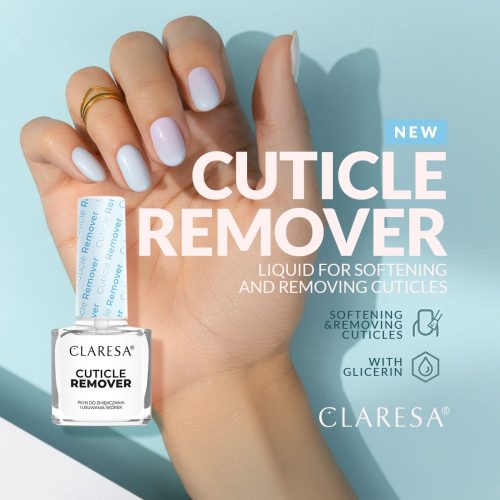
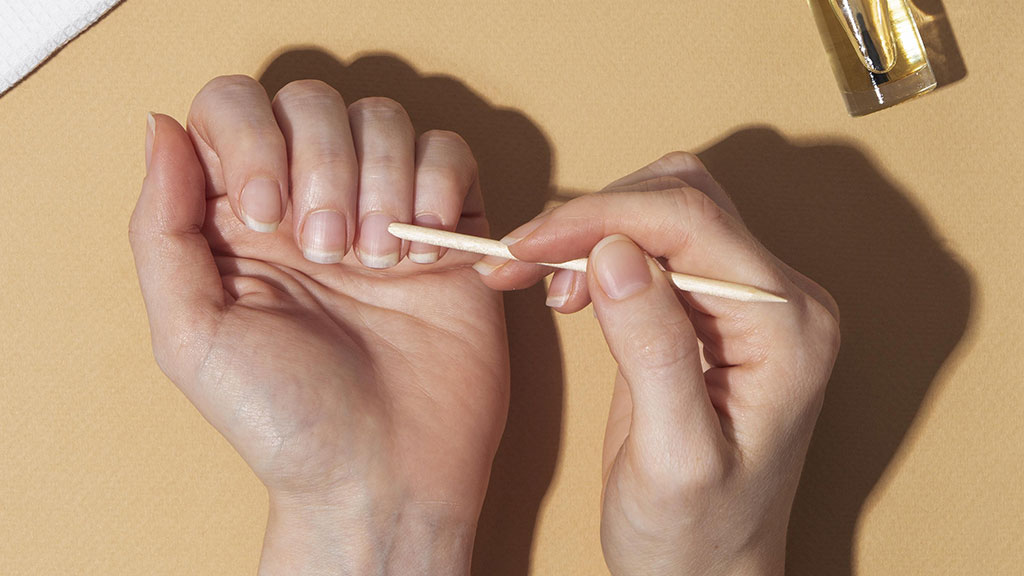
Cuticle remover is used to soften the cuticle area before removing built-up cuticles from the nail plate and around the nail fold. This step matters because invisible cuticle tissue left on the nail can interfere with gel polish adhesion. If base coat touches cuticle residue, the manicure may lift more easily near the nail fold.
Claresa Cuticle Remover 5 g is designed to help soften cuticles so they can be removed more quickly and comfortably. After applying it, the cuticle area should be worked gently with a wooden stick or suitable manicure tool, then the hands should be washed thoroughly and the nail plate should be properly dried before the next preparation steps.
This product should be used before final degreasing and dehydration. It should not be left as residue on the nail plate before gel polish. If any softening product remains on the nail, it can reduce adhesion. That is why cleaning, drying and dust removal after cuticle work are so important.
When cuticle remover is useful
Cuticle remover is especially useful when cuticles are dry, built up or visibly attached to the nail plate. It can make the preparation process smoother and reduce the temptation to scrape too aggressively. For a clean gel manicure, the aim is not to damage the nail plate, but to create a neat, clear surface where the base coat can adhere properly.
What not to do with cuticle remover
Do not confuse cuticle remover with gel polish remover. Cuticle remover is not designed to dissolve old gel polish. Do not use it instead of cleaner, dehydrator or primer. Do not apply base coat over a nail that still has cuticle remover residue on it. After cuticle work, the nail should be cleaned, dried and prepared in the correct order.
What is gel remover and when should you use it?
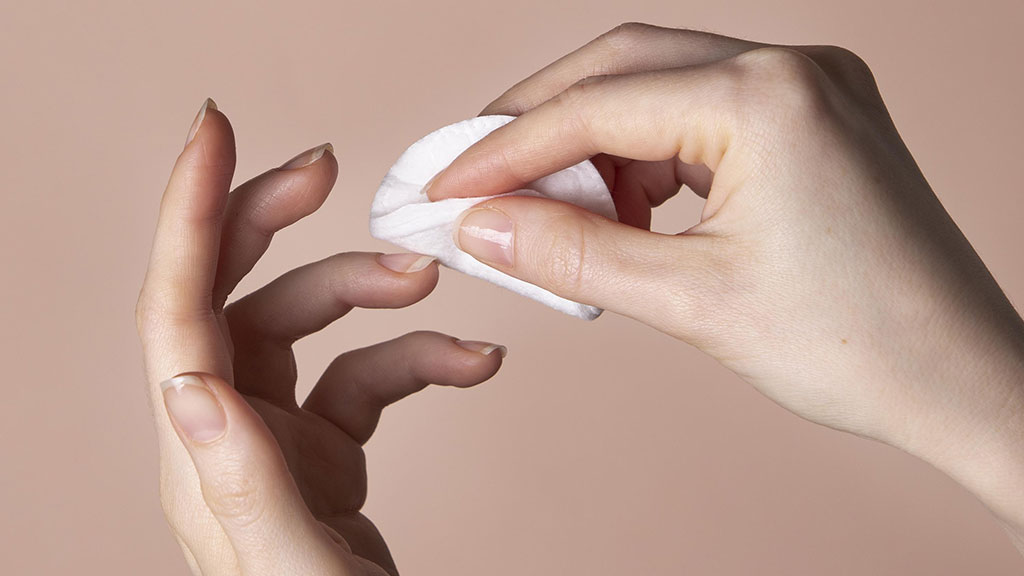
Gel remover is used when you want to remove an old gel polish manicure. It belongs to the removal stage, not the fresh nail preparation stage. This distinction is very important. A remover helps take off previous product, while cleaner, dehydrator and primer prepare the clean natural nail for a new application.
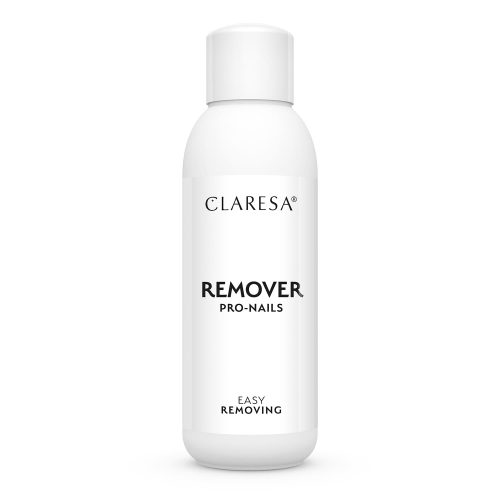
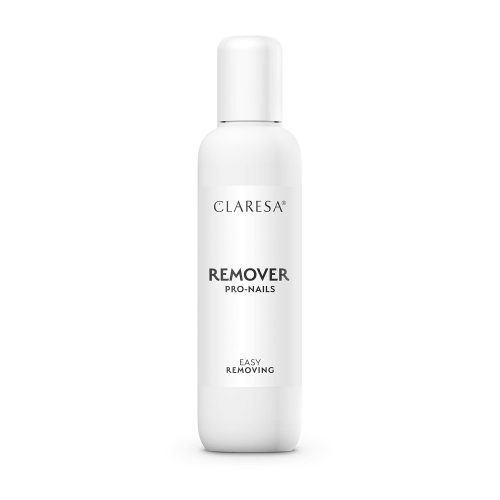
Claresa Remover Pro 100 ml and Claresa Remover Pro 500 ml are used for removing gel polish. If there is an old manicure on the nails, the top coat should usually be gently filed to break the seal before soaking the product according to the proper removal method. The aim is to soften the old gel polish so it can be removed without forcing or tearing the nail surface.
Remover is not a product for everyday wiping during application. It should not be used as a cleaner, because its purpose is different. It is also not a primer, not a dehydrator and not a substitute for nail prep. Think of remover as the product that helps you close the previous manicure safely before beginning the next one.
When gel remover is useful
Use gel remover when you are taking off old gel polish, changing colour, refreshing the manicure or preparing nails after a previous set. It is useful for both beginners and experienced users because safe removal is part of maintaining a clean manicure routine.
What not to do with gel remover
Do not scrape old gel polish aggressively if it has not softened properly. Do not use gel remover to degrease the nail before base coat. Do not apply primer or base coat while remover residue remains on the nail. After removal, the nail should be washed or cleaned as needed, dried, shaped and prepared before the next application.


What is cleaner and why is it different from remover?
Cleaner is one of the most commonly misunderstood products in a gel polish routine. It is not the same as remover. A remover helps dissolve old gel polish. A cleaner is used to degrease, clean and prepare the nail surface, and it can also be used to wipe the sticky dispersion layer after curing selected gel products, depending on the system used.
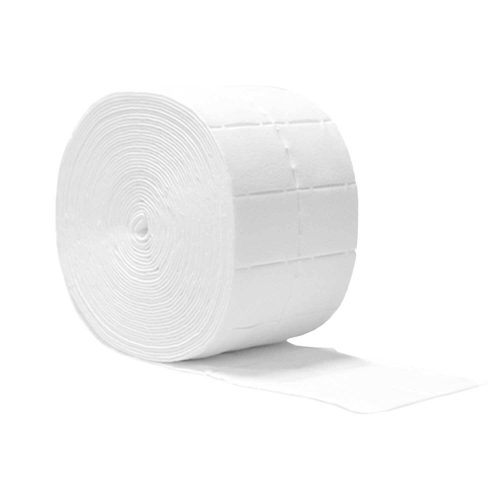
Claresa Cleaner Pro 100 ml and Claresa Cleaner Pro 500 ml are practical essentials for gel polish work. Cleaner helps remove grease and surface residue before styling. It is also useful with Claresa Nail Wipes, because dust-free wipes help clean the nail plate without leaving fibres that could disturb the manicure.
Cleaner is especially important after filing, buffing or shaping, because dust and fine particles can remain on the nail even when the surface looks clean. If dust is trapped under the base coat, the manicure may look uneven or lift more quickly. Cleaner helps create a cleaner working surface before the next preparation steps.
Cleaner before gel polish
Before applying gel polish, cleaner can be used after the nail plate has been shaped, lightly mattified and dusted off. It supports degreasing and helps remove surface residue. After cleaner, the nail should be allowed to dry before applying dehydrator, primer or base coat.
Cleaner after curing
Cleaner can also be used after curing products that leave a dispersion layer. However, many modern top coats are no-wipe products, which means they do not require wiping after curing. Always match the use of cleaner to the product you are applying. For example, if you use a Claresa no-wipe top, you do not need to remove a sticky layer from that top after curing.
What is a nail dehydrator?
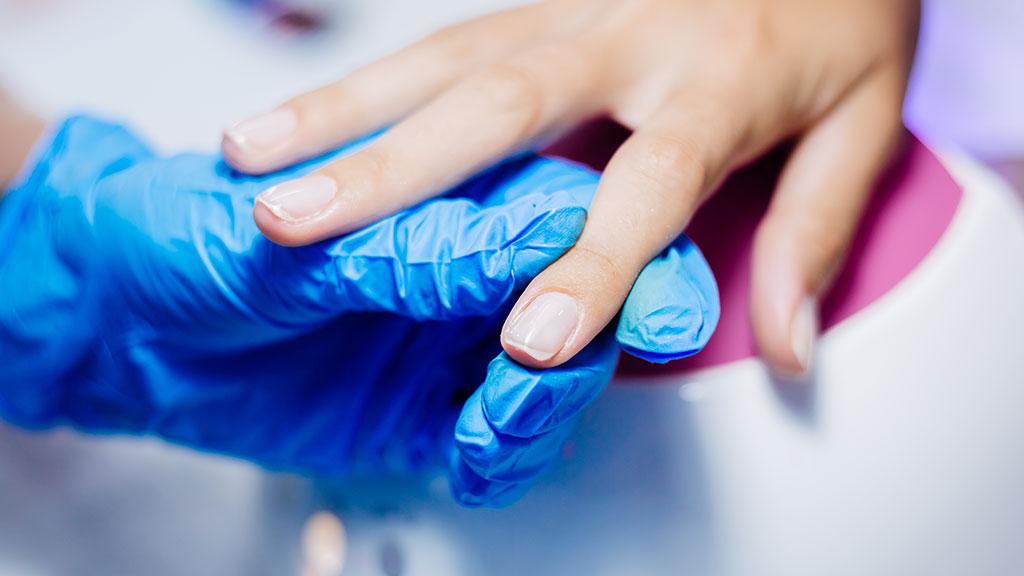
A nail dehydrator is used to prepare the natural nail plate by removing moisture and the lipid layer from the surface. This is a technical but very important step. Even when the nail looks dry, there may still be moisture or natural oils on the surface. These invisible layers can reduce adhesion and make the manicure less durable.
Claresa Nail Prep Dehydrator 5 ml is designed to remove moisture and the lipid layer from the nail surface. It should be applied to a nail plate that has already been prepared, mattified and cleaned of dust. The product evaporates quickly, leaving the surface ready for the next step.
Dehydrator is especially useful for people whose manicures lift too soon, whose nails tend to become oily quickly or whose gel polish does not seem to grip well. It is also a useful step in professional-looking home manicures because it helps standardise the surface before base coat.
Dehydrator vs cleaner
Cleaner and dehydrator are not the same. Cleaner removes surface residue and helps degrease the nail. Dehydrator focuses on removing moisture and the lipid layer from the nail surface. In a careful gel polish routine, cleaner may come first, followed by dehydrator. The cleaner prepares the surface by removing residue, while the dehydrator helps create a drier and more adhesion-ready nail plate.
Dehydrator vs primer
Dehydrator is not primer. Dehydrator prepares the surface by removing moisture and oils. Primer improves adhesion between the natural nail and base or gel product. In many routines, dehydrator can be used before primer, especially when the nails need stronger adhesion support. For some nails, dehydrator plus base coat may be enough. For more problematic nails, primer may be added after dehydration.
What is primer and when do you need it?
Primer is used to improve adhesion. It helps the base coat, gel polish system or gel product bond more effectively to the natural nail plate. This makes primer particularly important for nails that are difficult to work with, such as nails that lift quickly, are naturally oily, flexible, thin, splitting or prone to poor product hold.
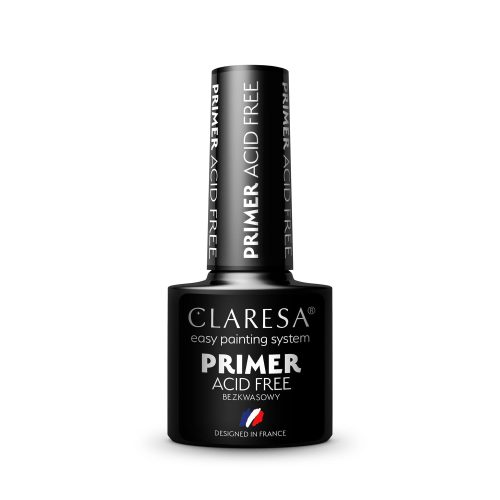
Claresa Primer Acid Free 5 ml is designed to increase the adhesion of base and gel to the natural nail plate. It should be applied directly to the nail plate after degreasing. If the manicure often lifts despite correct preparation, acid-free primer can be an important step.
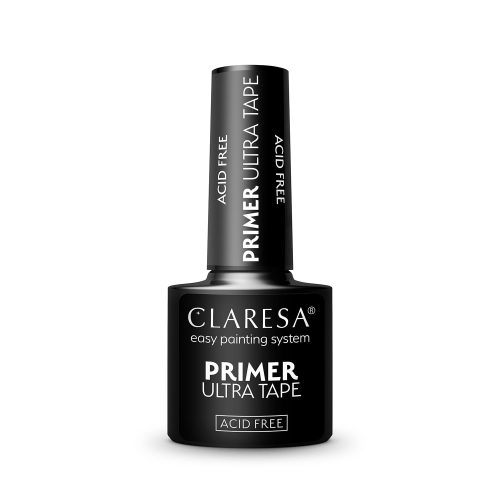
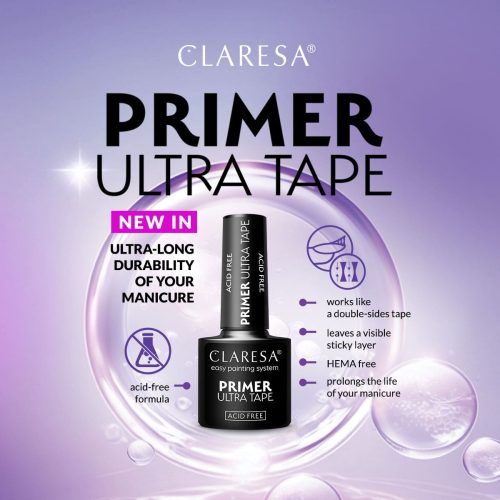
Claresa Acid Free Provita Primer 5 ml is another option in the Claresa range. It is an acid-free primer focused on maximum adhesion and nail plate care, with ingredients selected to support the nail plate within the product’s formula. There is also Claresa Primer Ultra Tape 5 ml, which can be considered when stronger adhesion support is needed.
Do beginners always need primer?
Not always. If the natural nail plate holds gel polish well, correct shaping, cuticle work, cleaning, dehydration and a good base coat may be enough. However, if the manicure lifts repeatedly, especially near the cuticle or free edge, primer can be helpful. The key is not to overuse it randomly, but to apply it when the nail plate needs extra adhesion support.
Where does primer go in the routine?
Primer should be applied after the nail plate has been cleaned, dusted, degreased and, if needed, dehydrated. It should be applied in a thin amount only to the natural nail plate. After primer, you can apply the chosen base coat according to the product instructions.

The correct order before gel polish
The safest way to understand nail prep is to separate removal, cuticle work, surface preparation and adhesion. These are not the same stage. A clean order reduces confusion and helps prevent using the wrong product at the wrong time.
| Step | What to do | Claresa product direction | Why it matters |
|---|---|---|---|
| Remove old product if needed | Gently file the top layer and remove old gel polish. | Claresa Remover Pro | Old product must be removed properly before a fresh manicure. |
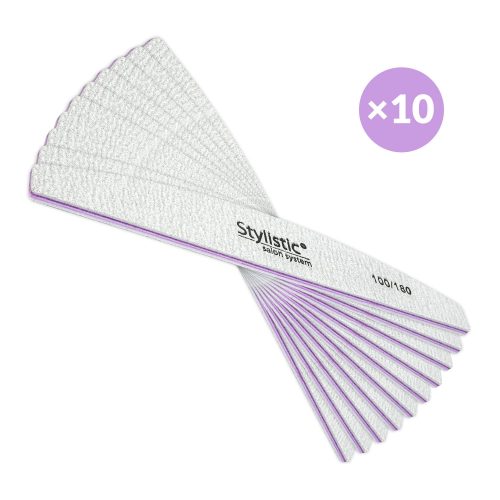
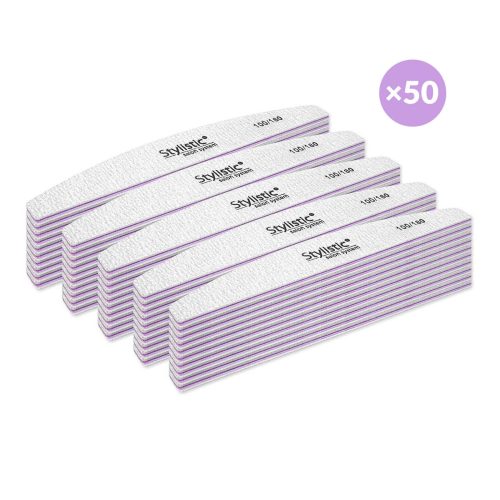
| Shape the nails | Shorten and shape the free edge. | Stylistic nail files from ESSENTIALS | Shape affects both appearance and wear. |
| Prepare cuticles | Soften and remove built-up cuticle carefully. | Claresa Cuticle Remover | Cuticle residue on the nail can cause lifting. |
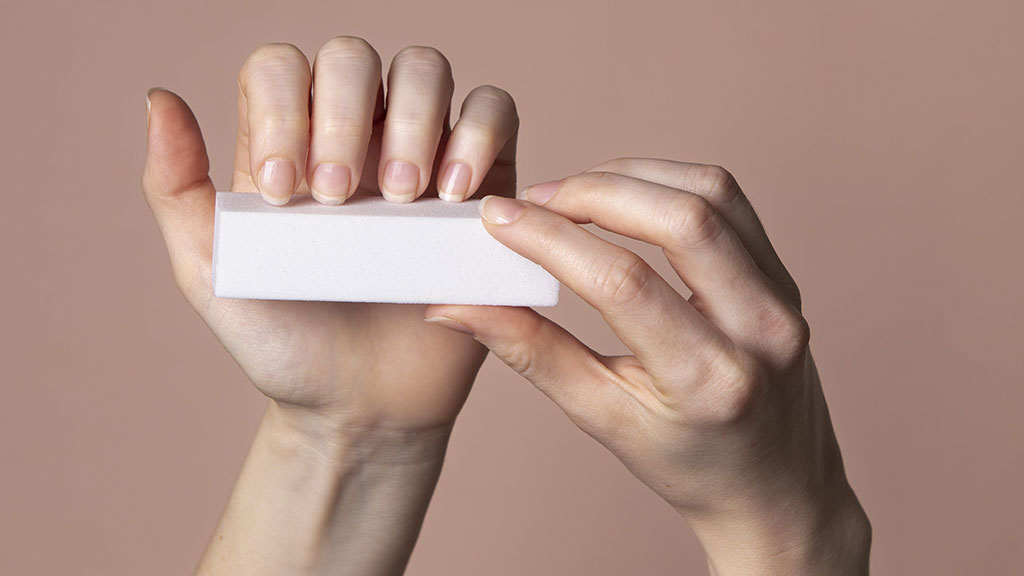
| Mattify and remove dust | Gently mattify the nail plate and remove dust. | Nail file, buffer and Claresa Nail Wipes | Dust and shine can reduce adhesion. |
| Degrease | Wipe the nail plate carefully. | Claresa Cleaner Pro | Grease and residue should be removed before styling. |
| Dehydrate | Remove moisture and lipid layer from the surface. | Claresa Nail Prep Dehydrator | Creates a drier, better-prepared surface. |
| Prime if needed | Apply a thin layer where extra adhesion is needed. | Claresa Primer Acid Free | Supports base and gel adhesion. |
| Apply base coat | Apply a thin, even base layer and cure. | Claresa Base | Base connects the nail plate with colour gel polish. |
Do you need cleaner, dehydrator and primer together?
Sometimes yes, sometimes no. The answer depends on the natural nail plate and how well the manicure usually wears. For many people, a careful routine with cleaner, dehydrator and base coat is enough. For nails that lift easily, primer may be added after dehydrator. For very simple practice manicures, beginners may start with fewer products, but if wear time is poor, preparation products should be reviewed.
Cleaner, dehydrator and primer do different jobs. Cleaner helps remove surface grease and residue. Dehydrator removes moisture and the lipid layer. Primer increases adhesion. Because the functions are different, replacing one with another can lead to problems. For example, primer on a dusty nail will not solve the problem of dust. Dehydrator will not remove old gel polish. Cleaner will not give the same adhesion support as primer.
Which product should you choose for your problem?
If your gel polish does not last well, it is tempting to blame the colour or lamp immediately. Sometimes those things matter, but very often the issue is preparation. The table below helps match common problems with the correct product category.
| Problem | Most likely prep issue | Product to review | Practical tip |
|---|---|---|---|
| Gel polish lifts near the cuticle | Cuticle residue, flooding or poor cuticle preparation. | Cuticle Remover, cleaner, precise application. | Remove cuticle residue carefully and keep product away from skin. |
| Gel polish peels from the free edge | Poor edge preparation or not sealing the free edge. | File, cleaner, base coat and top coat. | Shape the free edge and cap it with base, colour and top. |
| Manicure lifts quickly on oily nails | Moisture or lipid layer remains on the nail plate. | Nail Prep Dehydrator | Use dehydrator after cleaning and dust removal. |
| Base does not grip well | Nail plate needs stronger adhesion support. | Primer Acid Free | Apply primer thinly after degreasing and dehydration. |
| Dust appears under the base | Insufficient dust removal after filing or buffing. | Cleaner Pro and nail wipes. | Use dust-free wipes and do not touch the nail plate afterwards. |
| Old gel polish is hard to remove | Top coat seal not broken or removal time too short. | Remover Pro | Gently file the top layer before soaking old product. |
Cuticle remover vs remover — the most common confusion
Cuticle remover and gel remover sound similar, but they are used for completely different tasks. Cuticle remover works around the cuticle area and helps soften built-up cuticles. Gel remover is used to remove old gel polish from the nail. One prepares the skin and cuticle zone; the other helps take off product from a previous manicure.
If you are starting with bare nails and only need to prepare them for gel polish, you may use cuticle remover, cleaner, dehydrator and possibly primer. If you already have old gel polish on the nails, you first need remover. After the old product is removed, you can begin the fresh preparation routine.
Using the wrong product can make the process less effective. Cuticle remover will not properly dissolve old gel polish. Gel remover should not be used as a cuticle treatment. Cleaner should not replace remover. Primer should not be applied before the nail is clean and dry.
Cleaner vs dehydrator — which one comes first?
Cleaner usually comes before dehydrator. After filing and dust removal, cleaner helps remove surface grease, dust and residue. Once the nail is clean and dry, dehydrator can be applied to remove moisture and the lipid layer from the nail surface.
This order is practical because dehydrator should work on a clean nail plate. If dust, cuticle remover residue or surface grease remains on the nail, dehydration alone may not be enough. Cleaner helps create a clean surface first, then dehydrator prepares it further for adhesion.
After dehydrator, avoid touching the nail plate with your fingers. Skin oils can transfer back onto the nail and reduce the benefit of the preparation step. Move directly to primer if needed, or to base coat if primer is not required.

Primer vs base coat — why they are not the same
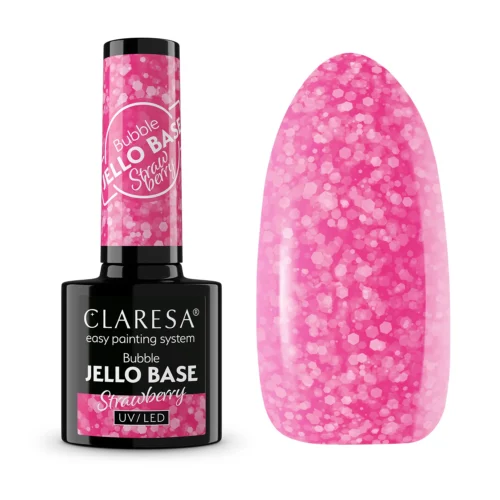
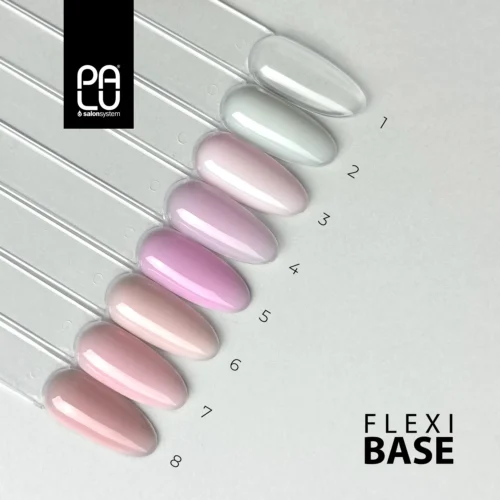
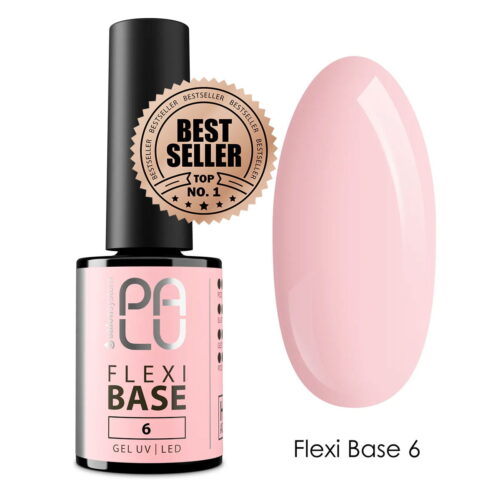
Primer and base coat are often confused, but they are not the same product. Primer is a preparation liquid that improves adhesion. Base coat is the first gel layer in the manicure system. Primer prepares the nail plate; base coat creates the foundation for the colour gel polish.
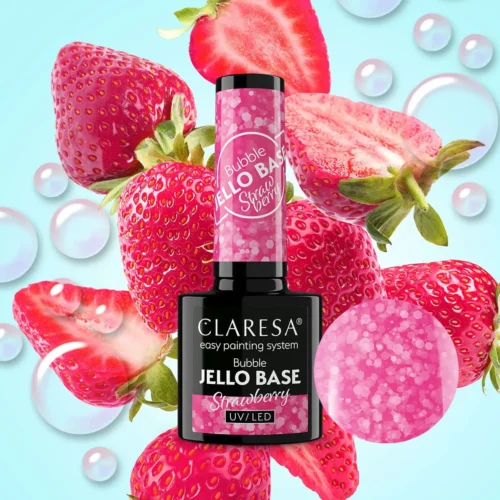
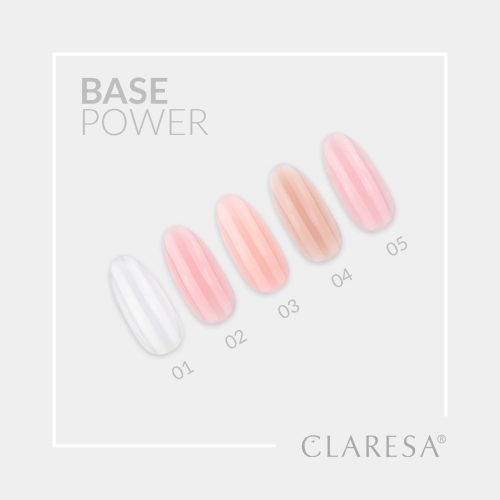
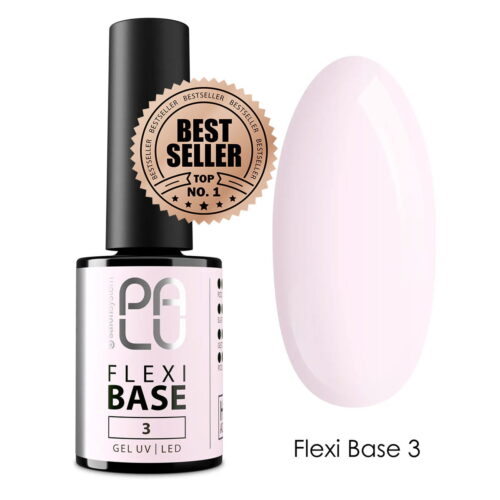
After primer, you still need a base coat. Claresa offers different base options depending on the effect and nail needs, including classic base products, rubber bases and power bases. You can explore them in the Claresa Base category and related base and top sections.
Do not apply gel polish colour directly after primer without a suitable base coat. Gel polish colour needs a correct base layer to create a smooth, durable foundation. Primer helps adhesion, but base coat is what connects the prepared nail plate with the rest of the gel polish manicure.
How to prep nails for gel polish with Claresa products
A complete Claresa nail prep routine can be simple if you follow the correct order. The exact routine may vary depending on whether you are removing an old manicure or starting with bare nails, but the logic remains the same: remove old product if needed, prepare the nail shape and cuticles, clean the nail plate, dehydrate, prime if necessary and then apply base coat.
If you already have gel polish on your nails
First, gently break the top coat seal and use Claresa Remover Pro to remove the old gel polish. Do not force product off the nail plate. Once the old manicure is removed, shape the nails and begin cuticle preparation with Claresa Cuticle Remover if needed.
If your nails are bare
Start by shaping the free edge. Prepare the cuticle area, remove dust and clean the nail plate with Claresa Cleaner Pro and dust-free wipes. Then apply Claresa Nail Prep Dehydrator. If the nail plate needs extra adhesion support, apply Claresa Primer Acid Free or another suitable Claresa primer. Then continue with base coat.
If you are a beginner
Beginners often find it easier to use a complete system rather than buying random products one by one. A starter set can help because it includes several essentials needed for a gel polish manicure. You can also look at the Claresa Your Starter Set with lamp, which includes products such as primer, base, top, gel polish colours, cuticle remover, cleaner, remover, lamp and manicure accessories.
How to avoid lifting near the cuticle
Lifting near the cuticle is one of the most common gel polish problems. It usually happens when the cuticle area is not prepared well, when gel touches the skin, when there is residue on the nail plate or when the base coat does not adhere properly. The solution is not always stronger product. Often, the solution is cleaner preparation.
Use Claresa Cuticle Remover to help soften built-up cuticles, then remove cuticle residue gently. After that, the nail plate should be cleaned and dried carefully. Use Claresa Cleaner Pro with dust-free nail wipes, apply Nail Prep Dehydrator, then add primer only if needed.
When applying base coat, leave a tiny margin around the cuticle and side walls. Product should not flood the skin. If gel touches the cuticle area, it may lift as the nail grows. A clean margin and proper curing are just as important as the prep liquids.
How to avoid peeling from the free edge
Peeling from the free edge can happen when the edge is not shaped well, when the nail plate is not cleaned properly, when the edge is not capped, or when the natural nail is flexible. The free edge should be shaped smoothly and cleaned of dust before any base product is applied.
After using cleaner and dehydrator, apply base coat thinly and cap the free edge. Then cap the free edge again with colour and top coat. This creates a more complete seal. If the nails are naturally flexible, a suitable base such as a rubber base or power base may be a better choice than a very thin standard base.
Do not overload the free edge with too much product. Thick layers can look uneven and may cure poorly. Thin, even layers usually last better than one heavy application.
How to prepare oily nails for gel polish
Some natural nails produce more surface oils or simply do not hold gel polish easily. In that case, preparation becomes even more important. Cleaner alone may not be enough. This is where Claresa Nail Prep Dehydrator becomes useful, because it removes moisture and the lipid layer from the nail surface.
After dehydrator, use primer if the manicure still tends to lift. Claresa Primer Acid Free, Claresa Acid Free Provita Primer or Claresa Primer Ultra Tape can be considered depending on the nail’s needs and the level of adhesion support required.
Do not touch the nail plate after dehydrator or primer. Even a quick touch can transfer oils from the skin back onto the surface. Work nail by nail and move directly to base coat.
Which Claresa products do beginners really need?
A beginner does not need every possible nail product immediately, but some essentials make gel polish application much easier and more reliable. The basic preparation set should include products for removal, cuticle work, cleaning, dehydration and adhesion support.
| Beginner need | Recommended Claresa direction | Why it matters |
|---|---|---|
| Removing old gel polish | Claresa Remover Pro 100 ml | Helps remove previous gel polish before a fresh manicure. |
| Softening cuticles | Claresa Cuticle Remover 5 g | Helps prepare the cuticle area and reduce lifting near the nail fold. |
| Cleaning and degreasing | Claresa Cleaner Pro 100 ml | Removes grease and residue from the nail plate. |
| Dust-free wiping | Claresa Nail Wipes 500 pcs | Helps clean the nail plate without leaving fibres. |
| Removing moisture and lipid layer | Claresa Nail Prep Dehydrator 5 ml | Prepares the nail surface for better adhesion. |
| Extra adhesion support | Claresa Primer Acid Free 5 ml | Useful when gel polish tends to lift too quickly. |
| Complete starting routine | Claresa Your Starter Set with lamp | Includes several products needed for a complete gel polish routine. |
Common nail prep mistakes
Using remover instead of cleaner
Remover and cleaner are different products. Remover is for taking off old gel polish. Cleaner is for degreasing and cleaning the nail surface. If you use remover as a cleaner, you may leave the nail surface poorly prepared for base coat.
Skipping cuticle preparation
Even a small amount of cuticle residue on the nail plate can affect adhesion. The manicure may lift near the cuticle area, even if the colour and top coat were applied correctly. Good cuticle prep should be gentle, precise and followed by proper cleaning.
Applying primer to a dusty nail
Primer improves adhesion, but it cannot fix dust, residue or poor preparation. If the nail plate is dusty, primer may seal the problem underneath rather than solve it. Always remove dust and clean the nail before primer.
Touching the nail plate after dehydrator
After dehydrator, the nail should be ready for primer or base coat. Touching it with your fingers can transfer oils back to the surface. Once the nail is dehydrated, avoid unnecessary contact.
Using too much primer
Primer should be applied thinly. More product does not automatically mean better adhesion. Too much primer can create an uneven surface or interfere with the next step. Use it carefully and only where it is needed.
Forgetting to cap the free edge
Even perfect nail prep may not prevent peeling if the free edge is not sealed. Base, colour and top coat should be applied carefully over the edge of the nail when appropriate for the nail length and shape.


How to remove gel polish before a new manicure
Safe removal is part of good preparation. If old gel polish is forced off the nail plate, the natural nail can become rough, uneven or weakened. The next manicure may then be harder to apply smoothly and may not last as well.
To remove old gel polish, gently file the top coat to break the seal, then use Claresa Remover Pro according to your removal method. Once the product has softened, remove it gently. Do not tear or peel it away. After removal, wash or clean the nails as needed, dry them and continue with shaping, cuticle work and preparation.
If you frequently change gel polish colours, it can be practical to keep both Claresa Remover Pro 500 ml and Claresa Cleaner Pro 500 ml in your kit. Remover is for taking off the previous manicure; cleaner is for preparation and selected finishing steps.
How to prepare nails for base coat
Base coat needs a clean, even and well-prepared surface. Once old product is removed, cuticles are prepared, the nail is shaped and the surface is gently mattified, remove dust carefully. Use Claresa Cleaner Pro with dust-free wipes, then apply Claresa Nail Prep Dehydrator.
If the natural nail plate holds product well, you may continue with base coat. If the nail plate is problematic or gel polish often lifts, apply a thin layer of Claresa Primer Acid Free before base coat. Then apply the selected Claresa base in a thin, even layer and cure it in a suitable UV/LED lamp.
You can browse Claresa base products in the Base category. If the nails are flexible or need a more supportive layer, you may also consider related base systems such as rubber base or power base, depending on the desired effect.
FAQ: cuticle remover, remover, cleaner, dehydrator and primer
Is cuticle remover the same as gel remover?
No. Cuticle remover softens cuticles and helps prepare the cuticle area. Gel remover helps remove old gel polish. They are used at different stages and should not be substituted for each other.
Is cleaner the same as remover?
No. Cleaner is used for degreasing, cleaning and selected wiping steps. Remover is used for removing old gel polish. Cleaner should not replace remover, and remover should not replace cleaner.
What does nail dehydrator do?
Nail dehydrator removes moisture and the lipid layer from the natural nail surface. Claresa Nail Prep Dehydrator is used after the nail plate has been prepared, mattified and cleaned of dust.
Do I need primer after dehydrator?
Not always. If your gel polish usually lasts well, dehydrator and base coat may be enough. If your manicure lifts quickly or your nail plate is difficult to work with, primer can provide extra adhesion support.
Which goes first, dehydrator or primer?
Dehydrator goes first. It prepares the nail surface by removing moisture and the lipid layer. Primer is applied afterwards if extra adhesion is needed.
Can I use primer instead of base coat?
No. Primer and base coat are different products. Primer supports adhesion. Base coat is the first gel layer of the manicure system. After primer, you still need a suitable base coat before colour gel polish.
Can I use cleaner after top coat?
It depends on the top coat. Some products leave a dispersion layer that can be wiped with cleaner, while no-wipe top coats do not require wiping after curing. Always match the finishing step to the product you are using.
Why does my gel polish lift near the cuticle?
Common reasons include cuticle residue, product touching the skin, poor degreasing, moisture on the nail plate, not using dehydrator when needed or skipping primer on nails that need extra adhesion support.
Why does my gel polish peel from the free edge?
Peeling from the free edge can happen when the edge is not prepared, capped or protected correctly. Shape the free edge smoothly, clean the nail plate, apply thin layers and seal the edge with base, colour and top coat when suitable.
Where to buy Claresa nail prep products in Ireland?
You can find Claresa nail preparation products in the ESSENTIALS category. This category includes products such as primers, cleaners, removers, nail wipes, files, lamps and manicure tools. For a basic prep routine, start with Claresa Cuticle Remover, Claresa Cleaner Pro, Claresa Remover Pro, Claresa Nail Prep Dehydrator, Claresa Primer Acid Free and Claresa Nail Wipes.
If you are just beginning your gel polish routine, you can also consider Claresa Your Starter Set with lamp, because it combines several essential products needed for a complete manicure. If you already have a lamp and colour gels, you can build your own prep kit from the individual Claresa products linked above.
Summary: which nail prep product does what?
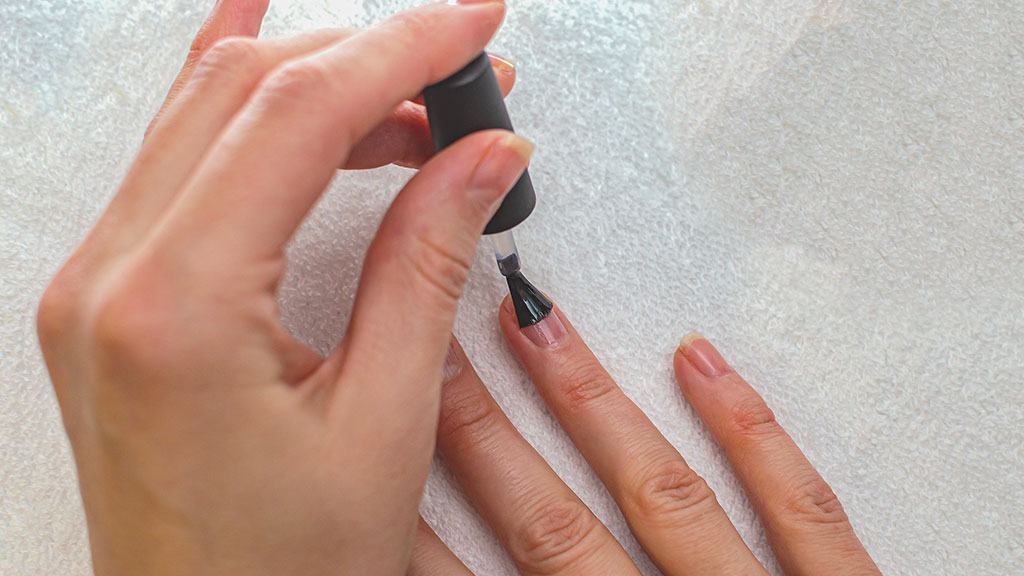
Cuticle remover helps prepare the cuticle area. Gel remover helps remove old gel polish. Cleaner helps degrease and clean the nail plate. Dehydrator removes moisture and the lipid layer. Primer increases adhesion when the natural nail needs extra support. These products are not interchangeable, but together they create a logical preparation routine for a cleaner and longer-lasting gel polish manicure.
The best result comes from using each Claresa product at the right moment. Remove old product with remover, prepare the cuticles with cuticle remover, clean the nail plate with cleaner, remove moisture with dehydrator, apply primer only when needed and then continue with a suitable base coat. When the preparation is correct, gel polish colour and top coat have a much better foundation to perform well.